Author: swapnilp

  • Storytelling: A Gentle Medicine for Senior Minds

    Storytelling: A Gentle Medicine for Senior Minds

    How sharing old stories helps seniors feel better inside

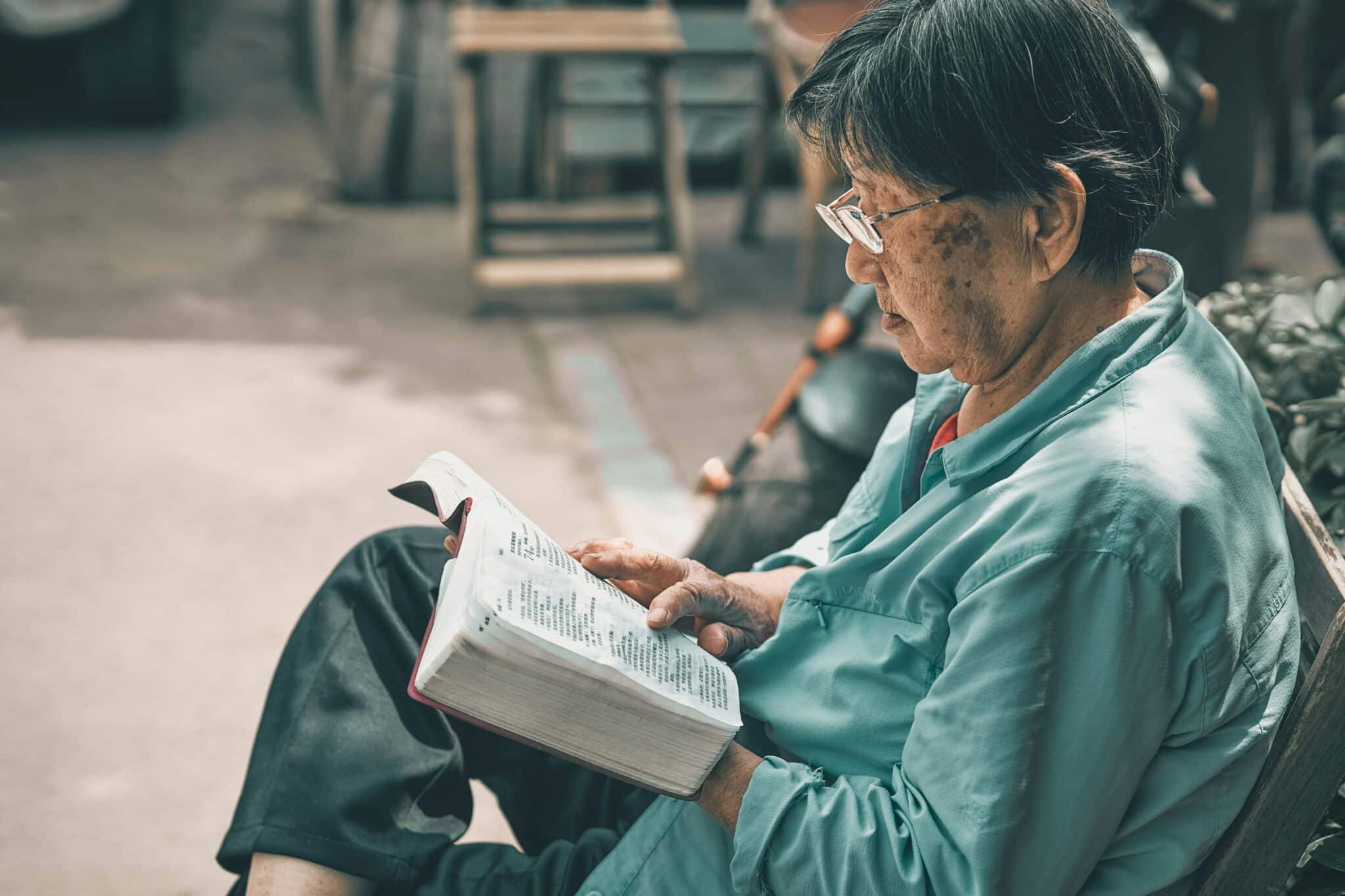
    Have you seen your parents or grandparents sitting quietly, looking out of the window, lost in thought?

    Many times, they’re not just thinking -they’re remembering. Life gave them so many memories… some sweet, some sad. But they don’t always share those stories.

    What if we told you – that simply talking about those memories can help them feel happier, calmer, and lighter?

    Yes. Storytelling is like a soft medicine for their heart and mind. Let’s see how…

    1. Stories Help Clear the Mind

    Sometimes seniors feel worried – about health, family, or life. They don’t always speak up. But when they start telling stories from their life, something changes…

    Their mind feels light, and the stress goes down.

    It’s like taking a deep breath after holding it for too long.

    2. Stories Heal Old Pain

    Many elders have lost someone — like their husband, wife, old friend, or someone close. That pain stays in their heart.

    But when they talk about those memories, slowly-slowly that pain becomes a little less.

    They start remembering that person with love, not just with tears.

    That’s how healing begins

    3. Storytelling Ends Loneliness

    After retirement, or when kids get busy, seniors may feel lonely.

    But if someone says, “Dadaji, tell me about your childhood,” — their face lights up!

    They feel heard, respected, and happy. Just by sharing a story, they feel less alone.

    4. Brings Back Smiles

    When they tell old funny stories, first salary moments, school days, or wedding drama — they laugh, feel young, and relive that joy again.

    One story is enough to make their whole day happy.

    5. Builds Confidence Again

    Some seniors feel like, “Ab mera kya kaam?” (Now what’s my role?)

    But when we listen to their life journey, they feel, “Yes, my life means something.”

    That gives them confidence, pride, and purpose.

    6. Creates Love and Connection

    When elders share and family listens, it brings everyone closer. Children get to know their roots, their culture, and their history.

    That’s how we build strong families –through stories

    Final Thought: Let Them Speak, Let Them Heal

    At Story might, we believe every senior has a story that is not just for telling -it’s for healing.

    So next time you are with your parents, grandparents, or any elder — don’t just ask, “Aap theek ho na?”

    Ask, “Aapki ek purani kahani sunao na.”

    Because sometimes, that one story can heal years of silence

  • How Storytelling Is Like a Brain Workout for Seniors

    How Storytelling Is Like a Brain Workout for Seniors

    We all know that walking, yoga, and small exercises keep the body fit in old age. But what about the brain?

    Yes, our brain also needs some activity -some movement -especially as we grow older.
    And guess what? There’s a very simple and natural way to keep the brain active…

    That is: Storytelling.
    Yes! Sharing old memories and life stories is like a brain workout for seniors. Let’s understand how.

    1. Storytelling Makes the Brain Active

    When a senior tells a story, their brain starts working. They try to remember old names, places, dates, emotions, and events. It’s not easy -but that is the best part.

    Every time they tell a story, they’re exercising their memory.
    Just like walking is good for legs, storytelling is good for the mind.

    2. Helps Slow Down Forgetting

    As people get older, they often forget things. This is normal. But if they keep using their memory, they can slow down this forgetfulness.

    Telling stories regularly helps seniors to stay mentally sharp and alert.

    No medicine. No machines. Just memories.

    3. Improves Thinking and Speaking Skills

    When someone tells a story, they don’t just remember — they also need to explain it clearly.
    They have to choose words, connect events, and express emotions.

    This improves their:

    • Thinking power
    • Speech clarity
    • Confidence in speaking

    So, storytelling is a total brain booster!

    4. Brings Positivity and Joy

    Good stories make people smile. Even sad stories, when shared, make the heart lighter.
    This positive feeling also helps the brain work better. Stress goes down, and focus goes up.

    A happy mind is a healthy mind.

    5. Gives a Sense of Purpose

    Sometimes seniors feel like: “What do I have to do now?”
    But when someone listens to their story with interest, they feel, “Yes, my life matters.”

    This feeling is very powerful. It keeps the brain — and the heart — young and strong.

    6. Connects Brain and Relationships

    When seniors tell stories to their children, grandchildren, or others, it creates strong bonds.
    They feel more connected, less lonely. And this emotional connection also improves brain health.

    Because the brain loves love!

    Final Thought: One Story a Day Is the Best Brain Exercise

    At Story might, we believe that seniors don’t just carry memories — they carry wisdom, love, and magic.

    So, next time you sit with your parents or grandparents, don’t just ask “How are you?”
    Ask: “Dadaji, tell me one old story.”

    Let the story begin.
    Let the brain smile.
    Because for seniors, storytelling is the best brain workout — full of joy and no side effects!

  • How to Get Started with Digital Storytelling: A Step-by-Step Guide for Seniors and Their Families

    How to Get Started with Digital Storytelling: A Step-by-Step Guide for Seniors and Their Families

    We all have stories -of childhood Naughtiness, first jobs, festivals, struggles, and love.
    But what if these memories stay only in our minds… and disappear with time?

    That’s why digital storytelling is so special. It helps seniors and families save real-life stories forever -with video, voice, photos, and heart.

    And don’t worry -it’s not difficult or technical.
    With platforms like Story Might, it’s easy, emotional, and even fun!

    Let’s walk you through it step by step.

    Who Is This For?

    • For seniors who want to share their journey with children and grandchildren
    • For families who don’t want to lose their parents’ or grandparents’ memories
    • For anyone who believes their life has meaning, stories, and moments worth saving

    Step-by-Step Guide to Start Your Digital Story

    Step 1: Choose Your Platform

    Use a platform like StoryMight – specially designed for seniors and families.
    It allows you to video record stories, upload documents and photos and record voice over photos all in one place.

    No confusing settings. Just simple steps, clear buttons, and guided support.

    Step 2: Download and set up the StoryMight app

    Click “get the app” on the StoryMight website and capture the QR code or go directly to the App or Play Store.

    • Download the StoryMight app
    • Tap “Sign-up.” Enter your email address and a password. Follow the instructions to verify your email.
    • Watch the welcome video.
    • You will be given the opportunity to view some robust StoryBooks. Take a look at them. Get some ideas for your own StoryBook.
    • When you are ready, Tap the “Start building a StoryBook” button and follow the onboarding process.

    .Remember all the information you enter or record is private. Only people you invite can view your StoryBook.

    Step 3: Record an Intro Video

    You may be a bit nervous – that’s ok. Just remember, it doesn’t have to be perfect. Nothing is perfect anyway! And, it’s super easy to delete and do it again if you wish. So bite the bullet and give it a try.

    The App will present you with a short statement based on the information you have entered in the onboarding process – “Hello, my name is Rachel Smith. I was born on May 5th, 1946 in Los Angeles, California.” you can use this, add to it, or come up with one on your own.

    Tap the green “open camera” button, give the app permission to use the camera and to record. The camera will open up.

    Look directly into the screen – you will see you. Press the red record button, wait for the countdown 3,2, and a beep, and start speaking. When you have finished, tap the red square to stop recording. Before saving you can watch you video by tapping the white triangle on the screen. if you like it, tap “use video.” If you can’t stand it, tap “re-record” and try again. Remember, you can always change it later.

    Step 4: Recording a Story

    This is what StoryMight is all about – recording stories. If you are a bit apprehensive? it’s ok – you’ll get past it after recording a few stories.

    Select a chapter, “Life Stages.” Then select a sub-chapter, “Early Years.” Next, tap the green “Add Story” button.

    You will be presented with a list of questions about your early childhood, select one or tap the white “add custom story,” button at the top. Let’s choose “Tell us about your earliest childhood memory.” You will be presented with 3 options – 1. open camera, 2. choose from my gallery, and 3. add from the cloud. Tap “open camera” and prepare to record.

    When you are ready, just tap the red record button, wait for the countdown and start telling your story. Short 2 -4 minuet stories are best practice – people now days have limited attention spans. Once your story is recorded you can watch it, use it, or re-record it.

    Tapping “use story” will save your story in the sub-chapter

    “Early Years.”

    Your now ready to add another Story.

    Step 5: Adding Photos

    The first Photo you add to a chapter or a sub-chapter is called the “Cover Photo.” It can be a photo that is representative of the entire chapter. Don’t loose to much sleep over it, you can always change it later.

    • Tap the encircled “Plus” symbol “add cover photo”
    • Choose to add the photo from your gallery, take a photo, or add it from the cloud.
    • Select the Photo and tap “use photo
    • Align your photo within the guides and tap “use photo.” Tap re-choose if you want to select another photo.
    • Your photo will apear as the header for your chapter.
    • You can now add additional photos to your chapter by tapping the cover photo and then the “add photo” icon.

    Now your story is safe, secure, and ready to be passed on for generations.

    Step 6: Sharing your StoryBook

    Now it’s time to share your journey. Sharing your StoryBook in progress is a great way to get friends and family to engage in your Story telling process.

    • Tap the “Tool Box” icon to open up the Tool Box menu.
    • Tap the “Invite someeone to view” button.
    • The app will ask for permission to access your contacts – either tap “Don’t allow” to deny or “continue” to give access.
    • Enter the full name, email address and relationship to you of the person you would like to invite and tap “invite.”
    • The app will confirm whenyour invitation is sent.

    Bonus Tips:

    • Record one story every week – create a “story time Sunday”
    • Involve the whole family – invite children and grandchildren to view your StoryBook and to ask questions
    • Celebrate milestones -“Dadi’s 10th Story” can be a family event!
    • You don’t need to be tech-savvy – just someone in the family can help

    Why This Matters

    Seniors often feel: “I’ve lived so much, but no one knows my journey.”
    Families often say: “I wish I had recorded Nana’s stories before she passed.”

    Don’t wait.
    Start now.
    Preserve your family history – story by story.

    Because someday, your grandchildren won’t just want your photo –
    They’ll want your voice, your words, and your heart.

    Final Thought: Your Life Is a Story – Let’s Save It Beautifully

    At StoryMight, we believe every senior is a living book.
    And every story deserves to be told, remembered, and celebrated.

    So sit down today.
    Ask one question. Record one memory.
    And begin the journey of digital storytelling – one chapter at a time.

  • Finding Purpose in Later Life: How Storytelling Helps Seniors Feel Seen and Heard

    Finding Purpose in Later Life: How Storytelling Helps Seniors Feel Seen and Heard

    As people grow older, life slows down. Children get busy, careers end, the body starts to rest more than move. And somewhere in all this, many seniors quietly begin to ask themselves:

    “What’s my role now?”
    “Do I still matter?”
    “Is anyone listening to me?”

    This is where storytelling becomes more than just words.
    It becomes a way for seniors to feel seen, feel heard – and feel alive again.

    Let’s see how.

    1. Every Story Has Meaning – Every Life Is Special

    Many seniors feel like their time has passed. But the truth is, their stories are full of life lessons, wisdom, and experience that no book can teach.

    When they share their stories – about childhood, struggles, relationships, joys, and losses – they’re not just talking. They’re showing the world:
    “I’ve lived. I’ve learned. I have something to give.”

    And that simple sharing brings back a strong sense of purpose.

    2. From Feeling ‘Useless’ to Feeling Valued

    After retirement or when the family becomes busy, many elders feel they’re no longer needed.
    But when someone listens to their story with interest, everything changes.

    They feel:

    “My life matters.”
    “I’m not invisible.”
    “I’m not just waiting… I’m contributing.”

    That one moment of being heard can light up their confidence again.

    3. Reclaiming Their Voice, Their Identity

    For years, seniors may have put others first – raising kids, running homes, working hard. Now, storytelling gives them the space to finally speak for themselves.

    It’s not just about memory…
    It’s about saying:

    “This is who I am.”
    “This is what I’ve been through.”
    “This is what I believe.”

    That’s powerful. That’s healing.

    4. Connecting Generations with Purpose

    When seniors share stories with children and grandchildren, it bridges the generation gap. Young people learn values, culture, and real-life courage – not from social media, but from real-life heroes sitting in their homes.

    And for the seniors, it feels like they are planting seeds for the future – passing on their legacy.

    That’s not just purpose. That’s pride.

    5. How Storytelling Activities Can Start

    It’s simple. You don’t need a studio or setup. Just:

    • Ask them about their first job or childhood days
    • Record their stories on phone or write them down
    • Let them speak in their language, their style
    • Most importantly – listen with love and patience

    This small effort can change a senior’s day – or even their life.

    Final Thought: Your Story is Your Strength

    At Story Might, we believe that every senior has a voice worth hearing and a story worth saving.

    Storytelling is not just for entertainment.
    It is a beautiful way to bring back meaning, connection, confidence -and purpose.

    So let’s not let our seniors sit in silence.
    Let’s ask, let’s listen, and let their stories shine.

    Because when they speak, they don’t just remember – they rise again.

  • Preserving Cultural Identity: Why Elder Stories Matter in a Rapidly Changing World

    Preserving Cultural Identity: Why Elder Stories Matter in a Rapidly Changing World

    Today’s world is changing faster than ever.
    Smartphones, fast internet, digital lifestyles – everything is quick, modern, and global. But in all this speed, one thing is slowly getting lost:

    Our culture. Our roots. Our family traditions.

    The things that once made us proud – languages, values, customs, food, stories -are disappearing. And we may not realise it now, but we’re losing a big part of who we are.

    But here’s the good news:
    Our elders still carry those treasures -in their hearts and their stories.

    Why Are Elder Stories So Important?

    Our parents, grandparents, and older family members have seen a world we haven’t.
    They lived through tough times, big celebrations, deep emotions, and powerful lessons.

    Every time they tell a story -about how festivals were celebrated, how weddings happened, what life was like in villages or small towns -they are passing down culture, not just words.

    Their stories are not just memories -They are a bridge between generations.

    Stories Keep Traditions Alive

    Think about this:

    • How do you know why we light a diya on Diwali?
    • Or what your great-grandfather did for a living?
    • Or the meaning of a family song, or a wedding ritual?

    You know it because someone told you.

    Now imagine if no one told your children – how would they ever know?

    That’s why elders’ stories are the lifeline of culture.

    Local Languages, Folk Tales, and Forgotten Wisdom

    Many elders still speak in mother tongues -Marathi, Gujarati, Tamil, Bengali, Urdu -and with that comes local folk tales, songs, proverbs, and sayings that are pure gold.

    If we don’t listen and record them, we’ll lose them forever.

    One generation’s silence can erase centuries of wisdom.

    Culture Is Not Just About the Past – It Shapes the Future

    When young people know where they come from, they grow with confidence and respect.
    They feel proud of their roots.
    They carry family values – respect for elders, hard work, kindness – into the modern world.

    And that starts with listening to the stories that built us.

    How to Start Preserving These Stories

    • Sit with your elders once a week and ask simple questions
    • Record their voice or video while they talk
    • Write down their memories in a small notebook
    • Mix their photos with short stories or audio using tools like Story Might

    These small steps can create a family history that lasts forever.

    Final Thought: Don’t Let Culture Fade – Let It Speak

    At Story Might, we believe every elder’s story is a living treasure.
    If we don’t capture it today, it may be lost tomorrow.

    So take a moment. Ask your dadi, nana, or chacha,

    “Tell me how things were when you were my age…”

    Let their words flow. Let the stories live on.

    Because when elders speak, culture survives.

  • Storytelling for Seniors in Assisted Living: A Simple Path to Greater Engagement and Joy

    Storytelling for Seniors in Assisted Living: A Simple Path to Greater Engagement and Joy

    In many care homes and assisted living centers, seniors live a life of routine -same room, same food, and same daily schedule. Some of them stop talking much. Some keep sitting quietly, just looking out of the window. And slowly… they start to feel lonely and forgotten.

    But there is one simple, powerful way to bring life, connection, and smiles back into their world – and that is storytelling.

    Yes, sharing life stories can change the entire mood of a care home. Let’s see how.

    1. Storytelling Fights Loneliness

    Many seniors feel alone even when they’re surrounded by others. But the moment someone says,
    “Uncle ji, tell me about your college days,”
    or
    “Aunty, how was your wedding?” – their eyes light up.

    Suddenly, they’re not just sitting – they are talking, remembering, smiling.
    That small moment of sharing breaks the wall of silence and brings connection.

    2. Creates Real Human Bonding

    When seniors share stories with staff, other residents, or even young visitors, it creates friendship and bonding.

    Two people who never spoke before suddenly start laughing about similar memories. It becomes a conversation starter. It’s not just about “How are you?” -now it’s about “Tell me more!”

    3. Brings Back Joy and Confidence

    When seniors talk about their past – their first job, raising children, winning a medal, or surviving tough times – they feel proud. It reminds them of their strength and value.

    Instead of feeling like a “burden,” they feel like a teacher, a storyteller, a person who matters.

    That’s not just emotional support – it is true happiness.

    4. Keeps the Mind Active

    Storytelling is not only good for the heart – it’s great for the brain too.
    When they tell stories, they’re using memory, thinking, speaking – all together.
    It helps keep their mind sharp and active.

    In short – talking is brain exercise.

    5. Makes the Home Feel Like Family

    Care homes should not feel like hospitals. They should feel like a warm, loving home.
    When storytelling becomes a regular activity, the atmosphere becomes friendly, happy, and full of life.

    Every resident feels seen. Every staff member feels closer.
    It turns a group of people into one big family.

    How Care Homes Can Start Storytelling Activities:

    • Story Circles: Seniors sit together and share one memory each
    • Photo Talk: Show an old photo and ask the story behind it
    • Voice Recording Time: Record their stories to share with family
    • Story Writing Help: Let them write or dictate their story, and someone can help type it
    • Family Story Day: Families join and listen or share together

    Final Thought: A Story a Day Brings Smiles That Stay

    At Story Might, we believe that no senior should feel invisible.
    Their life is full of lessons, laughter, love, and memories. And all they need is someone to listen.

    So let’s bring storytelling into every care home, every old age center, every senior group.
    Because when seniors speak, they don’t just share stories – they share their heart

  • From Photo Frames to Forever Stories -A Digital Journey of Memories

    From Photo Frames to Forever Stories -A Digital Journey of Memories

    There was a time when all our family memories were inside old photo albums — those thick books with yellowing pages, plastic covers, and handwritten dates. Every photo had a story, every moment had a meaning.

    But slowly, with time, those albums are getting lost… forgotten in trunks, damaged by dust, or left behind in old houses.

    Now imagine — what if those beautiful memories could live forever?
    What if your family’s stories didn’t just sit in silence, but actually spoke to the next generation?

    That’s the power of the digital age.
    And that’s what Story Might brings to life.

    Photo Albums Were Just the Beginning

    Photos are powerful — yes. But a photo alone doesn’t tell the full story.

    Let’s say there’s a photo of your grandfather standing in front of a scooter. You can see the smile, but do you know why he’s smiling? Maybe it was his first salary. Maybe it was the day he proposed to your grandmother. Maybe it was the last day he saw his best friend.

    Without the story, the photo is just an image.
    With the story, it becomes a living memory.

    Welcome to the Digital Story Era

    In today’s time, we have smartphones, cloud storage, video recordings, and voice notes so much technology! But the question is –are we using it to save our real family treasures?

    At Story Might, we help you turn photos, voice recordings, memories, and life stories into a digital storybook that never gets old, never gets lost, and can be passed down generation after generation.

    It’s like giving your family history a heartbeat.

    What Makes Digital Stories So Special?

    They Stay Forever

    Unlike physical albums that can tear or fade, digital stories stay safe -forever. Even after 50 years, your great-grandchildren can hear your voice or read your life story.

    Stories + Emotions = Real Connection

    We mix images, voice recordings, videos, and words – so that your story feels alive. Not just seen, but also felt.

    Share Anytime, Anywhere

    No need to carry albums or files. Your story lives online. Share it with family members in any corner of the world -with just one click.

    A Gift of Legacy

    This is not just a memory – it’s a gift for the future. Your children and grandchildren will know your life, your values, and your love -directly from you.

    Bringing Families Closer, One Story at a Time

    In families, we love our shaadi photos, our old-school stories, and our family traditions. But sadly, many of those stories get lost because nobody writes them down or records them.

    With Story Might, we are bringing that charm back – using simple tools, in your language, in your style.

    We believe every household has a story worth saving – whether it’s a farmer from a village or a retired teacher in a metro city.

    Final Words: Don’t Let Memories disappear – Let Them Shine

    So let’s not wait for the old albums to tear or for memories to disappear.

    Let’s capture the voice of our parents, the laughter of our grandparents, and the emotions behind every old photo.

    Let’s make memories immortal – not just for ourselves, but for the generations yet to come.

    With Story Might,
    your story doesn’t end — it lives on.

  • The Science Behind Life Review: How Reflecting on the Past Promotes Well-being

    The Science Behind Life Review: How Reflecting on the Past Promotes Well-being

    As people grow older, they often look back at their life — childhood memories, marriage, family, career, struggles, happy and sad moments. This act of thinking about the past is not just for fun or passing time. Science says it’s actually good for mental health.

    This process is called “Life Review.”
    And yes — it really works like medicine for the mind and heart.

    Let’s understand how.

    What is Life Review?

    Life Review means taking time to look back at one’s life – not just remembering, but also thinking deeply about what those memories meant.

    It’s usually done in a structured way -step by step. For example:

    • Childhood memories
    • School/college days
    • Marriage and family life
    • Work and career
    • Achievements and regrets
    • Lessons learned in life

    This can be done through writing, talking, or even storytelling sessions.

    What Does Science Say?

    Research shows that when older people go through a guided life review, they feel:

    • More confident about their life
    • Less depressed or lonely
    • More happy and peaceful inside

    A study in the journal Aging & Mental Health found that older people who regularly think and talk about their past feel happier, more confident, and more satisfied with life compared to those who don’t.

    In very simple words:
    When seniors look back at their life in a thoughtful way, they start feeling better about themselves.

    Why Life Review Is So Powerful

    Boosts Self-Worth

    When seniors talk about their achievements, good deeds, or how they overcame struggles, they feel proud. It reminds them –
    “Yes, I lived a meaningful life.”

    Helps Let Go of Regrets

    Talking about painful memories helps process them. Instead of holding guilt or sadness inside, they accept it and move on.

    Makes the Present Peaceful

    By looking back, they feel thankful for what life has given. This brings calmness and contentment in the present moment.

    Connects Generations

    Sharing life stories with family helps seniors feel valued, and helps younger people learn and understand them better.

    How You Can Help a Senior Do Life Review

    You don’t need a doctor or a therapist to do this. Just:

    • Sit with them
    • Ask gentle questions like:
    • &nbsp&nbsp&nbsp&nbsp&nbsp&nbsp&nbsp “What was your happiest memory in childhood?”
    • &nbsp&nbsp&nbsp&nbsp&nbsp&nbsp&nbsp “What was your first job like?”
    • &nbsp&nbsp&nbsp&nbsp&nbsp&nbsp&nbsp “What’s one thing you are proud of in life?”
    • Let them speak freely
    • Listen with love -no judgement

    Even once or twice a week is enough to make a difference.

    Final Thought: Everyone’s Life Story Matters

    At Story might, we believe that when seniors talk about their life, they don’t just remember — they heal.

    So let’s help them reflect.
    Let’s ask questions.
    Let’s listen with care.

    Because when they look back with peace, they move forward with happiness.

  • Bridging Generations: How Storytelling Strengthens Bonds Between Seniors and Grandchildren

    Bridging Generations: How Storytelling Strengthens Bonds Between Seniors and Grandchildren

    There is something magical that always brings a smile -when grandparents start telling old stories.

    Suddenly, the room becomes quiet. A curious child listens with wide eyes. And in that moment, something deep and beautiful forms – a bond that goes beyond age, language, or time.

    No matter how old we grow or how advanced technology becomes, Dadaji or Nani sitting with their grandkids and sharing stories will always be special. It’s more than just a sweet moment -it’s how generations build a strong emotional bond.

    At Story Might, we’ve seen it again and again:
    Personal storytelling creates powerful emotional connections between seniors and their grandchildren.

    Let’s talk about how storytelling makes that connection deeper and more meaningful.

    1. Kids Start Seeing Grandparents Differently

    Usually, kids see grandparents as just quiet elders. But the moment they hear how Dadaji walked 5 km to school every day, or how Nani cooked for a joint family without gas – their eyes open wide with wonder.

    They realise, “Oh wow, Dadaji was also a kid once!”
    This makes the relationship more friendly, more real. The age gap starts to disappear.

    2. Story Time Turns Into Quality Time

    In today’s busy life, we don’t always get time to sit and talk. But when a grandparent starts sharing stories, it naturally pulls the family together.

    That one story -about old festivals, wedding days, school punishments, or first jobs -becomes a moment everyone remembers. These small chats become memories for life.

    3. Life Lessons Come Through Stories, Not Lectures

    Let’s be honest – kids don’t like lectures. But tell them a fun or emotional story? They’ll listen with full attention.

    Like when Nanu shares how he failed once in life but didn’t give up… the message of hard work and patience hits differently.
    Values like honesty, love, respect, and family bonding -all travel better through stories.

    4. Children Feel Proud of Their Roots

    When kids hear how their family came up in life -maybe from a small village to city or from struggle to success -they feel connected to their roots. They feel proud.

    They start to say, “This is where I come from. This is my story too.”
    And that feeling gives them confidence, respect for elders, and a stronger identity.

    5. Seniors Feel Happy and Valued

    This is not just for the young ones. For grandparents too, storytelling brings so much happiness.

    They feel someone is listening. They feel their life has meaning. And when their story is heard and respected, it gives them emotional joy and peace -especially in old age.

    Storytelling becomes healing for the heart.

    So Why Wait?

    You don’t need a studio or big equipment. All you need is time, love, and open ears.

    At Story Might, we help you record these beautiful life stories in simple ways – video, audio, or writing. So the stories your parents or grandparents share today can stay alive for your children and their children tomorrow.

    “A grandparent’s story is not just history -it’s family treasure.”

    Let’s Start Today

    Want to keep these stories safe forever?
    We’ll help you record your loved one’s voice, memories, and life journey -comfortably and respectfully.

    Call Story Might today. Let’s bring generations closer -one story at a time.

  • From Silence to Legacy: Why Every Senior Should Leave Behind a Life Story

    From Silence to Legacy: Why Every Senior Should Leave Behind a Life Story

    Every wrinkle holds a memory. Every smile hides a story.

    Let’s be honest – our elders have seen much more life than we can imagine.

    They have lived through hard times, simple joys, family struggles, and big changes. But sadly, many of their stories are never shared. They stay in their hearts… and slowly, they fade away.

    What if we could save those stories – forever?

    That’s exactly what we do at Story Might. We help families capture real-life stories from their parents, grandparents, or any senior they love. And believe us -it’s one of the most beautiful gifts you can give to your future generations.

    Let me tell you why.

    1. Their Voice Stays with You Forever

    Just imagine – years from now, your children listening to Dadaji’s voice, or watching Nani talk about her childhood in a small village.
    Doesn’t that make your heart smile?

    Recording their story means you never lose their voice, their expressions, or their love.
    It’s not just a memory. It becomes a part of your family forever.

    2. It’s a Gift No One Else Can Give

    We often think gifts are phones, clothes, or gold. But a life story? That’s something you can’t buy. It’s filled with emotion, real experiences, and love that connects generations.

    One day, someone in your family will say –
    “Thank you for saving that story. I feel like I know them better now.”

    And trust us, that’s priceless.

    3. Their Struggles Teach Us So Much

    Our elders didn’t have an easy life – but they never gave up.
    When they tell us how they studied without electricity or raised a family with very little money, it’s more than just history.

    It’s a lesson in strength, patience, and courage.
    These are real-life inspirations we all need to hear.

    4. It Creates a Legacy That Lives On

    We take selfies, we make reels… but how much of it truly lasts?

    Now think about this -a video where your grandfather tells his full life story. His smile, his words, his eyes. It’s something your family will watch again and again, even after 20 or 50 years.

    That’s not just a memory. That’s a legacy.

    So, Why Wait?

    We all think “I’ll do it later.”
    But sometimes, later becomes never.

    If your loved one is still here, now is the perfect time to sit with them, talk, and record their journey. And don’t worry -we’re here to help you with that.

    At Story Might, we make it super easy.
    Whether it’s a video, voice recording, or written story -we do everything with love, care, and full respect.

    “When a senior shares their story, it’s not just for today – it’s a gift for generations to come.”

    Let’s Start Their Story Today

    Give us a call or send us a message.
    We’ll help you capture their story, their voice, and their journey.

    Because every story deserves to be heard.
    And every senior deserves to be remembered.